What Is Osteoporosis?
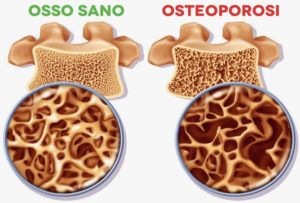
Osteoporosis is a condition in which the bones become more fragile and less resistant, gradually losing bone density over time. In the vast majority of cases, osteoporosis itself is not painful. The reduction in bone mass does not directly cause pain, but it significantly increases the risk of fractures, particularly affecting the vertebrae and the proximal femur (hip).
Due to the ageing of the general population and the increasing life expectancy, the prevalence of this condition is steadily rising. It mainly affects women after menopause and men in older age (over 65 years).
The main diagnostic test through which a doctor, after careful medical history assessment, can diagnose osteoporosis is the DEXA scan (Bone Mineral Density – BMD / MOC-DEXA), which measures bone mineral density.
Like many other chronic conditions typical of modern society, osteoporosis is not a life sentence. With the right adjustments, preventive strategies, and clinical management, it is possible to live a full and active life without major limitations.
Starting with Prevention
What should we do to reduce the risk of developing osteoporosis later in life?
1) Physical activity
At the top of the list are weight-bearing and resistance exercises. Lifting weights and engaging in weight-bearing sports during younger years helps us develop and maintain better bone density, which benefits us as we grow older. Naturally, physical activity should be adapted to each individual’s level, but ideally it should be maintained throughout all stages of life.
2) Nutrition
An adequate intake of calcium is essential, preferably through dietary sources such as milk, yoghurt, cheese, and certain vegetables, rather than through supplements (which should only be used in cases of deficiency). A sufficient protein intake, maintaining a healthy body weight, and avoiding sarcopenia (loss of muscle mass) are also important for bone health.
3) Vitamin D
Vitamin D plays such an important role that it is often considered almost like a hormone. It is crucial for supporting proper bone metabolism. Vitamin D is naturally activated through sun exposure (UV rays), but it may be supplemented under medical prescription if a deficiency is present.
4) Habits to avoid
It is advisable to avoid smoking, limit alcohol consumption, and prevent a sedentary lifestyle, as these factors can negatively affect bone health.
Clinical Guidelines for Osteoporosis Management
When osteoporosis has been diagnosed by a doctor, the guidelines from the International Osteoporosis Foundation (IOF) recommend the following:
1) Assess fracture risk
Evaluate your risk of fractures together with your general practitioner or healthcare professional.
2) Address modifiable risk factors
This includes improvements in nutrition, lifestyle, and physical activity.
Therapeutic exercise has strong scientific evidence supporting its role in reducing the risk of falls in older adults and maintaining functional independence. Weight-bearing exercises, whether using weights or bodyweight, can be safely performed—even in individuals with osteoporosis—when adapted to the person’s health status, and may help slow down bone density loss.
3) Pharmacological treatment
Together with a medical professional, it may be appropriate to consider medications that reduce bone resorption or stimulate bone formation, in order to better support bone metabolism.
4) Regular monitoring
Periodic medical check-ups are important to monitor the progression of the condition and adjust treatment if necessary.
If you would like to learn more about osteoporosis prevention and management, do not hesitate to contact us at Polispecialistico Paradiso.