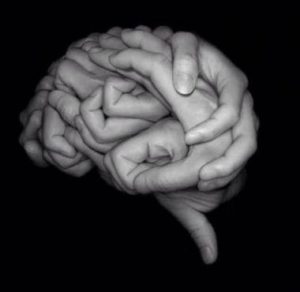
Mind and body connection
Our daily lives are shaped by hectic rhythms and the mind is constantly stimulated: commitments, work, notifications, repetitive thoughts, worries. The body, however, is often left out of the mind’s work. Creating with our hands—taking time to draw, sculpt, paint, sew, glue—reactivates a deep dialogue between body and mind.
These seemingly simple gestures have a significant effect on the nervous system.
The nervous system
The nervous system is not regulated only through rational thought; in fact, regulation happens mainly through the body.
When we use our hands in a slow, repetitive and intentional way:
- we slow down our breathing;
- we encourage focus on the present; moment
- we activate the parasympathetic nervous system, which is linked to calm, recovery of energy, and conservation of bodily resources.
This is why many people who enjoy knitting, colouring, or working with clay say they do it because it helps them relax.
Repetition and rhythmic movement
Many artistic activities involve repetitive movements: drawing lines, blending colours, shaping, cutting. Repetition and rhythmic gestures have a strong effect on the brain because they:
- reduce mental overactivation;
- lower stress and help manage anxiety and overstimulation;
- improve concentration;
- create predictability, and therefore a sense of safety;
- help the brain move out of “alert mode”.
The direct connection between hands and brain
The hands occupy a large area of the cerebral cortex. They are highly refined tools of exploration and perception. This connection makes the hands a sort of “second brain”, able to stimulate the central nervous system through activity. Active use of the fingers, such as writing or manipulating materials, activates and revitalises different areas of the brain.
When we use them creatively:
- we integrate the right hemisphere (imagination, emotions) and the left hemisphere (organisation, structure);
- we transform unclear emotions into visible forms;
- we shift attention from rumination to sensory experience, bringing what is inside us outward.
From anxiety to sensory experience
Creative experience lives in the here and now. Anxiety is often linked to the future, to worries about imagined events. Contact with tangible materials—clay, colour, paper—keeps us focused on the present moment.
This sensory grounding:
- reduces dissociation;
- lowers emotional intensity;
- fosters a sense of control and mastery.
Creating and transforming
Seeing a blank sheet turn into an image, a block of clay take shape, fragments of newspaper become an artwork, means witnessing transformation and personally experiencing the possibility of change.
The nervous system registers this as agency—the ability to act, to intervene, to modify. This capacity reduces stress and decreases tendencies towards resignation and passivity.
Creating with the hands, therefore, calms the nervous system because it:
- involves the body;
- activates parasympathetic regulation;
- integrates emotion and cognition;
- offers a concrete experience of transformation.
The creative workshop consciously uses these principles: to calm the mind, we need to touch, shape, and create. In a creative workshop, you do not need to be an artist—the process is what matters.
If you want to know more about it, do not hesitate to contact us here at Polispecialistico Paradiso!