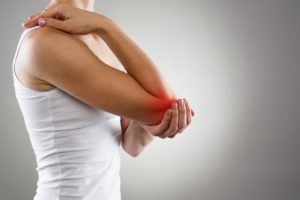
Ulnar nerve injuries and inflammation
The ulnar nerve is a peripheral nerve and one of the main nerves of the arm and forearm.
It is the largest unprotected nerve in the human body, making it more vulnerable to inflammation and injury.
Injuries may result from:
- Prolonged pressure and maintaining the elbow in a static flexed position
- Trauma
- Repetitive elbow flexion movements
Other repetitive strain activities that may contribute to ulnar neuropathy include frequent keyboard use and playing musical instruments.
Certain medical conditions, such as diabetes and rheumatoid arthritis, may worsen the condition of the nerve and aggravate symptoms.
Injuries and inflammation generally present with numbness and tingling in the areas supplied by the nerve (the forearm, hand and fingers), weakness when gripping objects, and pain that may worsen with elbow flexion. In more advanced stages, a claw hand deformity may develop. This condition is characterised by hyperextension of the metacarpophalangeal joints and flexion of the interphalangeal joints, resulting in a hand posture that resembles a claw.
How to diagnose the ulnar neuropathy?
To diagnose this condition, in addition to instrumental examinations such as electromyography, two orthopaedic tests may be performed:
- Tinel’s test, which involves tapping over the ulnar nerve at the elbow to provoke tingling sensations in the fingers.
- Elbow flexion test, which involves maintaining the elbow in a flexed position for an extended period to reproduce symptoms.
If tingling or pain occurs during these tests, the result is considered positive.
Treatments
There are two types of treatment:
- Conservative treatment: a custom-made night splint to reduce pressure on the nerve, neurodynamic exercises, Tecar therapy, and assessment of the patient’s daily routine with any necessary adaptations.
- Post-operative treatment: surgery involves isolating the ulnar nerve and performing an in situ neurolysis, releasing the nerve from surrounding structures. The occupational therapist is responsible for changing dressings during the first few days, monitoring wound healing and removing stitches after 14–16 days. Treatment then progresses to scar management, oedema control if required, and mobilisation. In later stages, rehabilitation includes progressive resistance exercises, muscle strengthening and patient education to support a return to work and activities of daily living.
If you want to know more about the ulnar neuropathy do not hesitate to contact us here at Polispecialistico Paradiso!