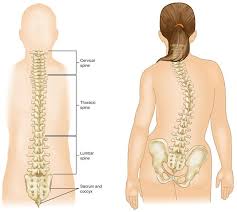
What is Scoliosis?
Scoliosis is not simply a “poor posture”, but a three-dimensional spinal deformity that develops during growth. It presents as a lateral deviation of the spine combined with rotation around its axis, resulting in either a single or double curve.
What it is and when it appears: age groups
Idiopathic scoliosis (meaning without a specific known cause) is classified according to the age at diagnosis. Clinical evidence shows that early onset is a risk factor: the earlier it appears, the more time the curve has to worsen during growth.
Infantile scoliosis (0–3 years): accounts for less than 1% of paediatric cases.
Juvenile scoliosis (3–9 years): represents approximately 12–20% of cases.
Adolescent scoliosis (10–18 years): the most common form, covering around 80% of cases.
Scoliosis generally occurs in otherwise healthy individuals. To date, its cause is believed to lie in a multifactorial genetic basis: predisposing factors are inherited and tend to manifest particularly during pre-adolescence and adolescence.
Clinical indicators: observing objective signs
As scoliosis is often asymptomatic in its early stages (i.e. not painful), diagnosis relies on observing specific trunk asymmetries, which become more evident during the growth spurt (between 10 and 15 years of age).
During postural assessment or home screening, the following should be monitored:
Shoulder asymmetry: uneven height of the acromial processes.
Scapular position: one shoulder blade may appear higher or more prominent than the other.
Hip profile: pelvic tilt or asymmetry of the “waist triangles” (the space between the trunk profile and the relaxed arm).
Presence of a rib hump: during the forward bending test (Adams test), prominence of the ribs or lumbar region may be observed due to vertebral rotation.
Diagnosis: the Cobb Angle
If asymmetry is suspected during examination, the next step is radiographic assessment.
Standing spinal X-rays (antero-posterior and lateral views) are the only definitive diagnostic tool. From these, the Cobb angle is measured, which determines the severity of scoliosis:
Mild scoliosis: up to 20°
Moderate scoliosis: 20°–40°
Severe scoliosis: over 40°
Treatment: monitoring, bracing and surgery
Management depends strictly on the degree of curvature:
Mild curves (<20°): regular monitoring and targeted physiotherapy to prevent progression.
Moderate curves (20°–40°): treatment with a corrective brace. The aim is to halt progression. Early intervention at 20° makes it highly likely to keep the curve below 30° at skeletal maturity, ensuring a normal adult life.
Severe curves (>40°): usually require surgical intervention (spinal instrumentation and fusion), using rods and screws to correct the deformity and stabilise the spine.
Multidisciplinary management: collaboration between Paediatrician and Physiotherapist
Effective management of idiopathic scoliosis relies on continuity between paediatric diagnosis and specialised physiotherapy. This collaboration allows for ongoing monitoring and shared therapeutic goals.
These two professionals intervene at different but complementary stages, ensuring comprehensive care.
The role of the Paediatrician
The paediatrician is the first professional to assess the child throughout growth. Their role includes:
Performing clinical tests, particularly the Adams test, which distinguishes simple postural asymmetry from structural scoliosis with rib hump.
Prescribing imaging when necessary to monitor growth and identify the pubertal growth spurt, when the risk of progression is highest.
Coordinating specialist referrals and directing families to appropriate medical and physiotherapy services, while overseeing general health and development.
The role of the Physiotherapist
While the paediatrician coordinates diagnosis, the physiotherapist manages daily rehabilitation:
Specific exercises: stretching combined with breathing techniques to address neck muscles, latissimus dorsi and the entire posterior chain, alongside targeted strengthening of deep core muscles, paraspinal muscles and scapular and pelvic stabilisers to correct asymmetries and improve structural stability against gravity.
Brace management and compliance: ensuring mobility and respiratory efficiency while integrating brace use into the young person’s daily life.
Ongoing clinical monitoring: frequent sessions allow early detection of changes or loss of correction, providing prompt feedback to the paediatrician and specialist.
This professional synergy allows treatment to adapt over time. Shared clinical goals enable timely intervention and adjustments to the treatment plan or brace type.
Addressing scoliosis means safeguarding tomorrow’s spine. Through early paediatric diagnosis and consistent physiotherapy, a complex journey can become an opportunity for long-term spinal health, ensuring a strong and functional spine into adulthood.
If you want to know more about it do not hesitate to contact us here at Polispecialistico Paradiso!