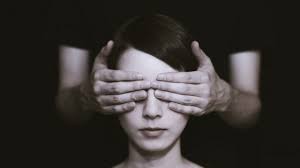
Visual impairment
From a functional perspective, the visual system allows the body to assess and process information related to spatial orientation, regulating posture and influencing the correct timing of motor responses. Therefore, a partial or total deficit of this sensory channel leads to inadequate interaction with the surrounding environment, resulting in impairments in postural control.
People with visual impairment, due to the absence of optical stabilisation, often develop dysfunctional and compensatory postural strategies in an attempt to cope with the lack of visual information.
The most evident postural alterations include:
- Increased forward inclination of the trunk on the sagittal plane, associated with compensatory head posture, forward-rounded shoulders, and increased thoracic kyphosis;
- Deviation of the shoulder and pelvic girdles on the frontal plane, leading to axial deviation of the spine;
- Flexion contractures of the hips and knees;
- A frequently uncoordinated and shuffling gait, characterised by a widened base of support and reduced ankle dorsiflexion.
An additional risk for this population is the reduction of the biomechanical phenomenon known as reciprocal inhibition. When the body is unable to accurately perceive its position in space, it activates protective mechanisms through co-contraction of agonist and antagonist muscles, at the expense of reciprocal inhibition.
Under these conditions, muscles that should relax during the contraction of their antagonist remain contracted, leading to stiffness, overload, and reduced Range of Movement (ROM) in the affected joints.
People with visual impairment also present an increased risk of falls compared to sighted individuals, as the visual system acts as a true “anchoring system”. When optical stabilisation is absent, responsibility for maintaining balance shifts primarily to the vestibular and proprioceptive systems.
Considering that visual input accounts for approximately 70% of the information humans receive from the external world, it becomes clear how essential it is to work on vestibular and proprioceptive stimulation. When these systems are appropriately trained through targeted motor activities, individuals with visual impairment can perform as effectively as their sighted peers, not only in activities of daily living but also in recreational and sporting activities.
The benefits of the Pilates method
Pilates works on several aspects that can improve the wellbeing of people with visual impairment.
1. Core Control
The Pilates method is based on the fundamental principle of centring, according to which every movement originates from the body’s core by activating the abdominal “corset” muscles to create stability and ensure smoother movement. Greater trunk stability also translates into improved control during balance loss, an essential factor in fall prevention.
2. Breathing
The tendency towards a “closed” posture, characterised by trunk flexion on the sagittal plane, forward head posture, and thoracic kyphosis, often seen in visually impaired individuals, reduces diaphragmatic activity. The diaphragm becomes hypotonic, leading to a more clavicular and upper-chest breathing pattern that frequently overuses accessory respiratory muscles such as the scalenes and sternocleidomastoid muscles. When these muscles become hypertonic, they may contribute to neck pain and worsen dysfunctional postures. Pilates, through its principle of lateral-posterior thoracic breathing, promotes expansion of the rib cage, activates the diaphragm, and helps restore diaphragmatic muscle tone.
3. Strengthening
As highlighted previously, this population often becomes more sedentary, leading to loss of muscle mass and consequently a greater risk of falls. Working with Pilates equipment and resistance-based exercises helps increase muscle mass and counteract disuse-related sarcopenia.
4. Balance
Pilates offers various ways to stimulate the proprioceptive system. This can be achieved through mat exercises or by introducing small pieces of equipment on Pilates machines to create instability, such as a soft ball.
5. Flexibility
As previously mentioned, reduced reciprocal inhibition may lead to joint stiffness. Pilates specifically works on improving neuromuscular coordination, reducing agonist-antagonist co-contraction and increasing joint mobility.
Why Start Pilates?
Physical exercise is often perceived as an unsustainable challenge, leading to significant consequences for physical and psychological wellbeing. Lack of movement inevitably leads visually impaired individuals towards a more sedentary lifestyle, creating a phenomenon known as the “proprioceptive disuse chain”. For people with visual impairment, Pilates represents a safe and accessible way to approach physical activity. The slow and controlled movements of Pilates allow individuals to develop greater body awareness, while our one-to-one sessions guarantee maximum safety and support within a carefully supervised environment.
A personalised Pilates programme can help visually impaired individuals regain body awareness, confidence in movement, and trust in their functional abilities.
If you would like to learn more, do not hesitate to contact us at Polispecialistico Paradiso!