Chronic conditions and creative workshops
Living with a chronic condition often means facing challenges that extend far beyond the physical aspects of the illness. Persistent pain, limitations in everyday activities, changes in social relationships and uncertainty about the future can all have a profound impact on emotional wellbeing and quality of life. Within this context, creative workshops represent a valuable resource to support people throughout their journey of care and adaptation.
Creative workshops use the creative process and artistic expression as a means of promoting psychological, emotional and social wellbeing. No artistic skills or special talent are required: what matters is not the aesthetic quality of the final piece, but the personal journey of expression and self-discovery that develops through creative activity.
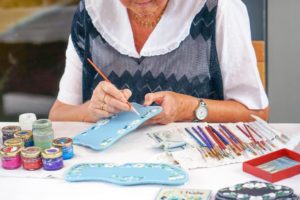
Drawing, painting, collage, clay modelling and other artistic activities become tools through which people can communicate emotions, thoughts and experiences that are often difficult to express in words.
The benefits of creative workshops
The benefits of creative workshops for people dealing with chronic issues are:
- Encouraging emotional expression: living with a chronic condition can give rise to complex emotions such as fear, anger, sadness, frustration and feelings of isolation. Creative workshops provide a safe environment where these emotions can take shape, helping individuals to recognise and process them. Through creative expression, people can tell their own story without fear of judgement, developing greater self-awareness and a deeper understanding of their experiences.
- Reducing stress and anxiety: numerous studies have shown that creative activities can help reduce stress and promote relaxation. Focusing on the artistic process allows individuals to temporarily shift their attention away from symptoms and everyday concerns, creating moments of relief and wellbeing.
- Strengthening a sense of control: people living with chronic conditions may sometimes feel they have lost control over their lives and bodies. Creating something with their own hands can restore a sense of personal effectiveness and independence, strengthening self-esteem and confidence in their abilities.
- Improving quality of life: creative workshops do not directly treat the illness itself, but they can positively influence how people experience their condition. By promoting emotional wellbeing, social interaction and coping skills, they can contribute to an overall improvement in quality of life.
- Promoting relationships and shared experiences: when carried out in a group setting, creative workshops also provide valuable opportunities to meet others, share experiences and build supportive relationships.
An integrated approach to care
Creative workshops are not intended to replace medical or psychological treatments. Instead, they represent a valuable complement within a multidisciplinary approach to managing chronic conditions. Increasingly, expressive activities are being recognised as an important component of person-centred care.
A chronic illness may change many aspects of life, but it does not define the individual. Creative workshops offer an opportunity to rediscover personal strengths, emotions and creative abilities that may have been overshadowed during the course of treatment.
Through artistic expression, people can find new ways to tell their story, process difficulties and nurture their wellbeing.
Working creatively within a dedicated studio or workshop, a protected and welcoming space offers an opportunity to rediscover freedom, self-expression and hope. It is within this environment that art can become a valuable ally in supporting health and enhancing quality of life.
Contact details
Below are the contact details of an association based in Lugano that supports people living with chronic pain.
Filo di Speranza
Swiss Association for Pudendal Neuralgia and Painful Neuropathies
Email: filodisperanza@hotmail.com
Website: www.filodisperanza.ch
If you wish to know more about this topic, don’t hesitate to contact us at Polispecialistico Paradiso!