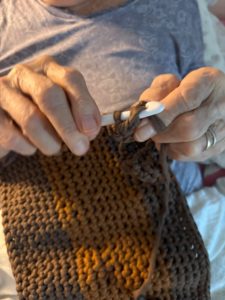
Living with dementia: a challenge for both the person and the caregiver
Dementia is a complex condition that has a profound impact on both the person living with it and those who care for them.
As cognitive decline progresses, everyday life can become increasingly difficult to manage, often leading to a gradual loss of independence, motivation and participation in daily activities.
During the early stages, many people are aware of the changes and difficulties they are experiencing. This awareness may lead to frustration, social withdrawal and, in some cases, symptoms of depression.
For this reason, caregivers play a vital role not only in providing practical support with everyday activities, but also in accompanying the person throughout the course of the condition with sensitivity, understanding and respect for their individual needs.
What is the Capacitating Approach?
The Capacitating Approach is a person-centred model of care that focuses on the individual’s remaining abilities rather than the difficulties caused by dementia. Instead of concentrating solely on impairments, it values the person’s preserved skills and encourages them to express these abilities in everyday life.
Unlike more traditional care models, which often replace the person in carrying out activities or focus mainly on achieving the final outcome, the Capacitating Approach promotes active participation and supports the maintenance of independence.
The emphasis is placed on what the person is still able to do, recognising the value and importance of these abilities for their wellbeing.
Promoting remaining abilities and everyday wellbeing
One of the key principles of the Capacitating Approach is recognising and building on the person’s remaining abilities. Activities can be adapted to match these strengths, making them meaningful, accessible, engaging and rewarding.
The aim is to create the right conditions for the person to participate in everyday occupations with confidence and peace of mind, without fear of making mistakes or being judged for their limitations, allowing them to feel valued and satisfied with what they do.
The value of an activity lies not in completing it perfectly or achieving a particular outcome, but in the sense of wellbeing and positive emotions it provides.
Continuing to take part in familiar daily routines helps preserve self-esteem, maintain mood and reinforce personal identity, while also contributing to the prevention of behavioural and psychological symptoms.
The importance of communication and listening
As dementia progresses, people may gradually lose the ability or motivation to communicate. They may also find it increasingly difficult to express their needs verbally, often speaking less than before.
The Capacitating Approach places great importance on communication and interpersonal relationships. It encourages creating a safe and supportive environment in which the person feels free to express themselves according to their own abilities, without fear of being corrected or judged.
Active listening and accepting the person’s way of communicating become valuable therapeutic tools that help maintain language, relationships and social participation.
Telling one’s story: memory, identity and cognitive stimulation
Encouraging conversation gives people the opportunity to talk about themselves and assign value to their personal experiences.
According to the Capacitating Approach, questions, storytelling prompts and sensory cues such as photographs, music, sounds, familiar scents and meaningful objects can help evoke memories and emotions.
This process supports the person in maintaining a sense of continuity with their own identity.
Sharing personal memories also reinforces self-worth and preserves a sense of self, even in the presence of cognitive decline.
Conclusion
The Capacitating Approach is a way of caring that places the person, not the disease, at the centre of the relationship.
By recognising and promoting remaining abilities, it is possible to improve the wellbeing and quality of life of people living with dementia, while also making the caregiving role more sustainable.
This approach can be applied not only in healthcare settings but also in everyday family life, offering a compassionate and respectful way of supporting the person throughout their journey with dementia.
If you would like to know more about the Capacitating Approach do not hesitate to reach out to us!