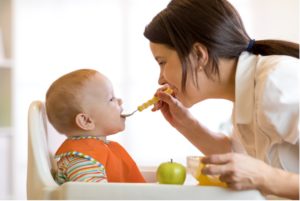
Nutrition in the Early Years: An Approach to Weaning
Introduction
“Doctor, is my child eating too little?”
“Is it normal that they refuse almost everything?”
“If they don’t taste anything, am I doing something wrong?”
These are questions I hear very often in clinical practice, especially during the first years of life. Nutrition is one of the topics that most easily worries parents. Because food is not just nutrition: it is relationship, growth, autonomy, and identity.
In the early years, eating is a complex experience involving the body, senses, emotions, and development. Understanding what is normal, what is part of developmental stages, and when it may be useful to ask for support can help ease many fears.
Weaning: When to Start and Why There Is No Single Right Method
When to start weaning
Weaning, or complementary feeding, generally begins around 6 months of age, but it is not only a matter of age.
A child is ready when they:
- can sit with good trunk control
- have good head control
- show interest in food
- have lost the tongue-thrust reflex
These are neuro-motor skills, not just feeding skills.
Traditional weaning or baby-led weaning?
This is a frequent question. The answer is simple, although not always reassuring: there is no single best method.
Traditional weaning, baby-led weaning, and a mixed approach can all be valid, as long as they respect the child’s pace and ensure safety and calmness during mealtimes.
In my work, I often see parents very focused on finding the “right method”, when in reality the emotional atmosphere matters more than the technique.
Eating Is a Skill: The Role of Motor and Sensory Development
Eating is not automatic: it is a skill that is learned, just like walking or talking.
To eat, a child needs to:
- sit steadily
- coordinate hands, mouth, and eyes
- tolerate different textures, smells, and temperatures
- manage new sensory stimuli
Some difficulties at the table are not whims or misbehaviour, but signs of immaturity or sensory effort. This is why, in some cases, the work of professionals such as paediatric Physiotherapists and Occupational Therapists can be very helpful: they support the child in feeling more secure in their own body, and therefore also at the table.
Selective Eating in Children: A Very Common Concern
What is selective eating?
Between the ages of 2 and 3, many children:
- refuse new foods
- accept only certain colours or textures
- eat “always the same things”
This is a very common phase and, in most cases, a physiological one.
Parents often come very worried, convinced that their child “doesn’t eat enough”. In reality, if growth is adequate and the child is active, the amount they need is often less than we imagine.
Why does it happen?
Selective eating is linked to:
- the need for control
- the affirmation of autonomy
- sensory development
- fear of novelty
Food becomes one of the first areas in which the child says: “I decide.”
Common, Understandable Mistakes During Meals
This is not about blame, but simply about very common dynamics:
- forcing the child to taste
- turning the meal into a negotiation
- offering alternatives “just to make them eat”
- using constant distractions, such as tablets or toys
These strategies often come from anxiety, but they can increase rigidity.
How to Support the Child at the Table in a Calm Way
Some useful principles may be:
- the parent decides what and when
- the child decides whether and how much
- meals follow predictable routines
- the example set by adults is fundamental
Eating together, without pressure, helps much more than a thousand explanations.
When It Is Worth Observing More Closely
There are situations in which it is useful to look deeper:
- persistent refusal of many textures
- strong discomfort during meals
- chewing difficulties
- slowed or reduced growth
- significant family stress related to food
In these cases, a multidisciplinary approach can make a difference.
The Role of Physiotherapy and Occupational Therapy in Feeding
In some children, working on:
- posture
- stability
- sensory integration
- gradual exposure to the experience
can greatly improve the child’s relationship with food.
The goal is not to “make the child eat more”, but to help them feel more competent and secure.
Conclusion: Fewer Battles, More Trust
Eating is learned… with different timing for every child.
In my experience, when pressure is reduced, food often becomes a possible experience again. Asking for help does not mean having done something wrong; it means taking care, with attention.
FAQ: Frequently Asked Questions from Parents
1. Is it normal for my 2-year-old to eat very little?
Yes, very often it is normal. Between the ages of 1 and 3, growth slows down and appetite decreases. If the child is growing well and is active, the amount may be adequate even if it seems small.
2. Should I insist if my child refuses to taste something?
No. Forcing increases resistance. It is better to offer the same food several times without pressure, allowing the child the freedom to explore.
3. If my child always eats the same things, is it a problem?
It depends. A phase of selective eating is normal. However, if the diet is very limited or meals are always a source of stress, it is useful to speak with the paediatrician.
4. Is traditional weaning or baby-led weaning better?
There is no right choice for everyone. What matters is that the child is ready, safe, and supported calmly.
5. When should I ask for help from a specialist?
If mealtimes are always difficult, if there are growth concerns, or if the child shows significant sensory or motor difficulties, an assessment may be useful.