Ulnar neuropathy
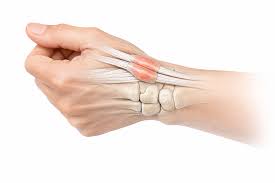
Ulnar neuropathy may result from compression, trauma or repetitive movements. It causes tingling, pain and hand weakness. Diagnosis relies on clinical tests and electromyography. Treatment may be conservative or surgical.

Ulnar neuropathy may result from compression, trauma or repetitive movements. It causes tingling, pain and hand weakness. Diagnosis relies on clinical tests and electromyography. Treatment may be conservative or surgical.

Screens should be introduced gradually, avoiding their use in the early years and later limiting them to short, high-quality and shared content. Clear rules, no screens before bedtime or during meals, and plenty of interaction help support healthy development.

Occupational Therapy supports children with SLD by improving handwriting, organisation, posture and independence. Through practical strategies and adapted tools, it helps reduce school-related fatigue, improve attention and promote confidence and participation in daily life.

Visual impairment may cause postural changes, stiffness and increased fall risk. Pilates improves balance, posture, breathing, strength and body awareness, helping visually impaired individuals move more safely and confidently.

Eating is a skill that develops step by step. In the early years, through weaning and food preferences, children learn to discover food through their body, senses, relationships, and autonomy.

COTiD is a home-based Occupational Therapy programme for people with dementia and caregivers, promoting autonomy, participation, and quality of life through personalised strategies, meaningful activities, and caregiver support in everyday life.

Speech and language therapists, psychomotor therapists and occupational therapists have distinct yet complementary roles in child development. They work together to support communication, movement, independence and overall wellbeing through integrated, play-based interventions.

Hands-on creative activities regulate the nervous system, reduce stress and anxiety, and anchor us in the present. Through repetitive, sensory actions, they integrate mind and body, improve focus, and provide a tangible sense of change and control.

Between the ages of 6 and 12, children consolidate important skills for their growth: movement, learning, emotions, relationships and autonomy. Each stage should be met with listening, respect and trust.

Fine motor skills in children involve coordinated hand and finger movements, essential for independence and learning. They develop gradually from 0 to 14 years through stages. It is important to respect individual timing and intervene if difficulties arise.